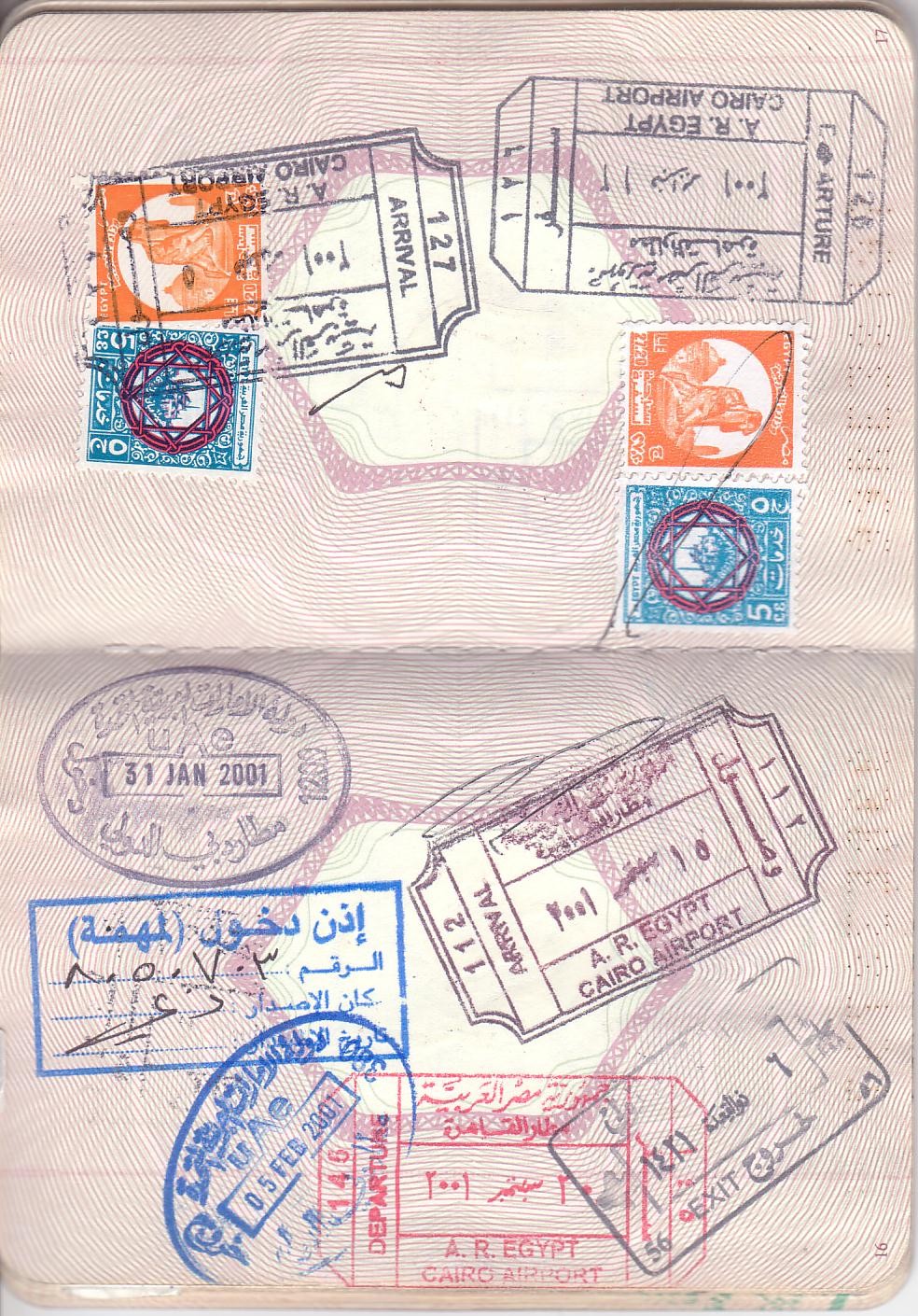
 It is therefore, a source of great virtue for the practiced mind to learn, bit by bit, first to change about in visible and transitory things, so that afterwards it may be able to leave them behind altogether. The person who finds his homeland sweet is still a tender beginner; he to whom every soil is as his native one is already strong; but he is perfect to whom the entire world is as a foreign place. The tender soul has fixed his love on one spot in the world; the strong person has extended his love to all places; the perfect man has extinguished his.
--Hugo of St. Victor
[A] towel ha
 s immense psychological value. For some reason, if a strag (strag: nonhitchhiker) discovers that a hitchhiker has his towel with him, he will automatically assume that he is also in possession of a toothbrush, washcloth, soap, tin of biscuits, flask, compass, map, ball of string, gnat spray, wet-weather gear, space suit etc., etc. Furthermore, the strag will then happily lend the hitchhiker any of these or a dozen other items that the hitchhiker might accidentally have "lost". What the strag will think is that any man who can hitch the length and breadth of the galaxy, rough it, slum it, struggle against terrible odds, win through, and still knows where his towel is, is clearly a man to be reckoned with.
--Douglas Adams
Today’s quotes come from two wise men, separated by vocation, tone and about eight centuries, but united in their focus on travelers and a shared respect for the strange and wondrous variety of the world. Expatriation, even short-term expatriation, is a tricky business that forces people out of their culturally-constructed comfort zones, but it's a necessary part of international communication.
As Hugo of St. Victor notes, the savvy traveler should approach every new location as a stranger in a strange land, unencumbered by existing prejudice or favoritism, and willing to observe it with as much objectivity as possible. Adams, on the other hand, recognizes that the world is a dangerous, strange, challenging place, but notes that it is not entirely possible – or even, perhaps, desirable – to every scrap of cultural baggage. The universe can get messy; you may need a towel.
The take-away, for the citizen diplomat, is that going abroad is a challenging experience, one that forces people to re-evaluate their assumptions. Maintaining a blind devotion to one’s homeland to the exclusion of all other places is not profitable, nor is loving all places equally and uncritically. The wise response is to find a balance between the two, drawing from one’s cultural foundation and keeping an open mind to alternatives.
In terms of cultural diplomacy and international communication, I think a common mistake is for participants to focus too intently on the end goal and not on the process, which, under the right circumstances, can be an end unto itself. Citizen diplomats, take note: Recognize, but don’t idealize, your roots. Keep an open mind. And bring a towel.


